
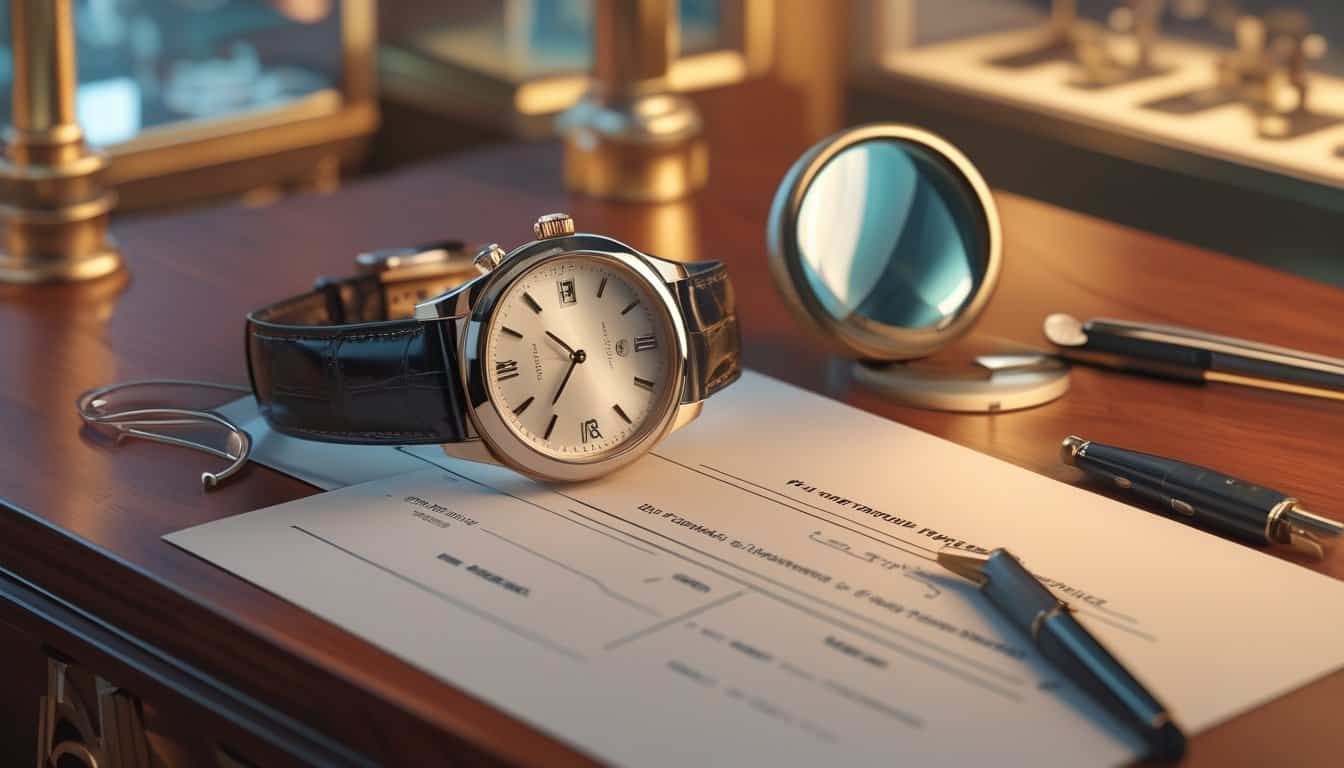
What It Means to Pawn a Luxury Watch
When you pawn luxury watch items, you’re using it as collateral for a short-term loan instead of selling it outright. The pawn shop holds the watch while you repay the loan, plus interest and any agreed fees, within the contract period. If you repay on time, you get the watch back. If not, the shop may keep it and sell it to recover the money.
This option can make sense when you need fast cash but still want a chance to reclaim a valuable timepiece later. A luxury watch is often easier to pawn than many other personal items because reputable brands and models have strong resale demand. Still, the amount you get depends on the watch’s brand, condition, authenticity, market demand, and whether you bring the original box and papers.
Step 1: Understand Why You’re Pawning the Watch
Before you walk into a pawn shop, be clear about why you need the money and how soon you can repay it. A pawn loan is usually best for short-term cash gaps, not long-term borrowing. If you only need funds for a few weeks or a couple of months, it may be a practical solution.
You should also compare the total cost of the loan with other options. Because pawn loans are secured by your watch, the process is often faster than applying for a bank loan, but the convenience can come with higher charges. Knowing your repayment plan upfront helps you avoid losing the watch later.
Step 2: Check the Watch’s Condition and Completeness
Condition matters a lot when you pawn a luxury watch. A clean, working watch with minimal scratches usually gets a better offer than one with visible wear, missing parts, or mechanical issues. If the watch has not been serviced for a long time, that can also affect valuation.
Try to include everything that came with the watch, especially the original box, warranty card, purchase receipt, manuals, and extra links. These items help prove ownership and authenticity, and they can make the watch more attractive to the pawnbroker. In many cases, the complete set can improve the final loan amount.
Step 3: Know What the Pawn Shop Looks For
Pawnbrokers usually assess a luxury watch using a few key points: brand reputation, model popularity, current market value, condition, authenticity, and how easy it will be to resell if needed. Well-known names often hold value better, especially if the model is in demand among collectors or everyday buyers.
They may also inspect the movement, serial numbers, case, bracelet, dial, and engraving details. If the shop suspects the watch may be counterfeit or heavily modified, the offer may drop sharply or be declined altogether. That’s why it helps to understand your watch’s identity before you go in. Related source: Rolex watch pawn shop.
Step 4: Gather the Right Documents and Proof
To make the process smoother, bring a valid ID and any documents that support ownership. A receipt, certificate of authenticity, service record, or original purchase paperwork can help the pawn shop feel more confident about the watch. If the watch has had official servicing, those records may add credibility too.
Having documentation ready can also speed up the transaction. Some shops may ask basic questions about where you got the watch, how long you’ve owned it, and whether it has been reported lost or stolen. Honest, clear answers make the experience easier and reduce delays.
Step 5: Get a Few Valuations Before You Commit
It’s smart not to accept the first offer straight away. If possible, visit more than one pawn shop and compare their valuations. Different shops have different customer bases, risk tolerance, and resale strategies, so the same watch can be priced differently from one place to another.
You can also do a quick market check online to understand the rough resale range for your exact model. That doesn’t mean you’ll get the same amount in a pawn loan, but it gives you a useful benchmark. The more you know, the better you can judge whether an offer is fair.
Step 6: Understand the Loan Terms Clearly
Before you sign anything, read the pawn agreement carefully. Pay attention to the loan amount, interest rate, storage fees, due date, grace period, and what happens if you can’t repay on time. These details can make a big difference to the total cost.
Ask the pawnbroker to explain anything unclear in plain language. You should know exactly how much you’ll need to pay back and by when. A transparent shop should be willing to walk you through the terms without pressure, so don’t feel shy about asking questions.
Step 7: Negotiate Respectfully for a Better Offer
There is often some room for negotiation when you pawn a luxury watch. If you have strong documentation, a sought-after model, or a watch in excellent condition, mention those points calmly. You can also ask whether the offer would improve if you provide the full set or return with a service record.
The key is to stay polite and realistic. Pawn shops need to protect themselves against resale risk, so they probably won’t match retail market prices. Even so, a respectful conversation can sometimes get you a better deal than the first figure on the table.
Step 8: Protect Yourself From Common Mistakes
One common mistake is overestimating the watch’s value based on what you paid for it years ago. Retail price, collector price, and pawn value are not the same thing. Market demand, condition, and authenticity all affect what a shop can reasonably lend.
Another mistake is rushing into a loan without checking the repayment deadline. If you think there’s a chance you may need extra time, ask about extension or renewal options before you agree. Also, avoid working with shops that seem vague, pushy, or unwilling to put everything in writing.
Step 9: Decide Whether Pawning Is the Right Move
At the end of the process, ask yourself whether pawning the watch is truly the best option for your situation. If you need money quickly and the watch has sentimental value, pawning may be better than selling. You keep the chance to reclaim it, which is a major advantage for many owners.
On the other hand, if you do not expect to repay the loan in time, selling the watch directly might be less stressful and financially cleaner. The right choice depends on your cash flow, attachment to the watch, and confidence in repayment. With a clear plan, you can make the decision that fits your needs without regret.
